

What Is an RSC Box? The Regular Slotted Container Explained
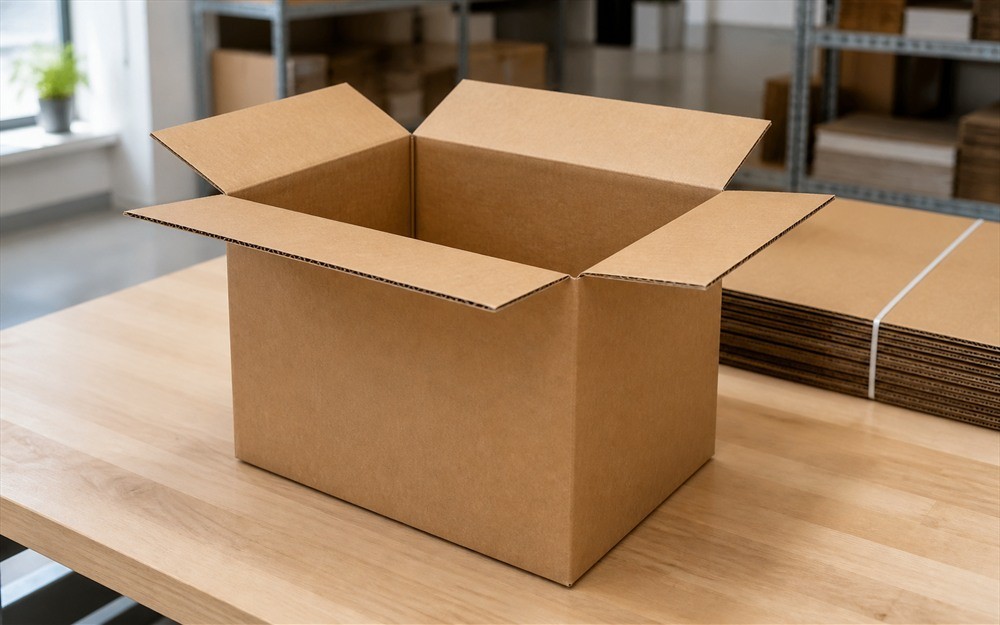
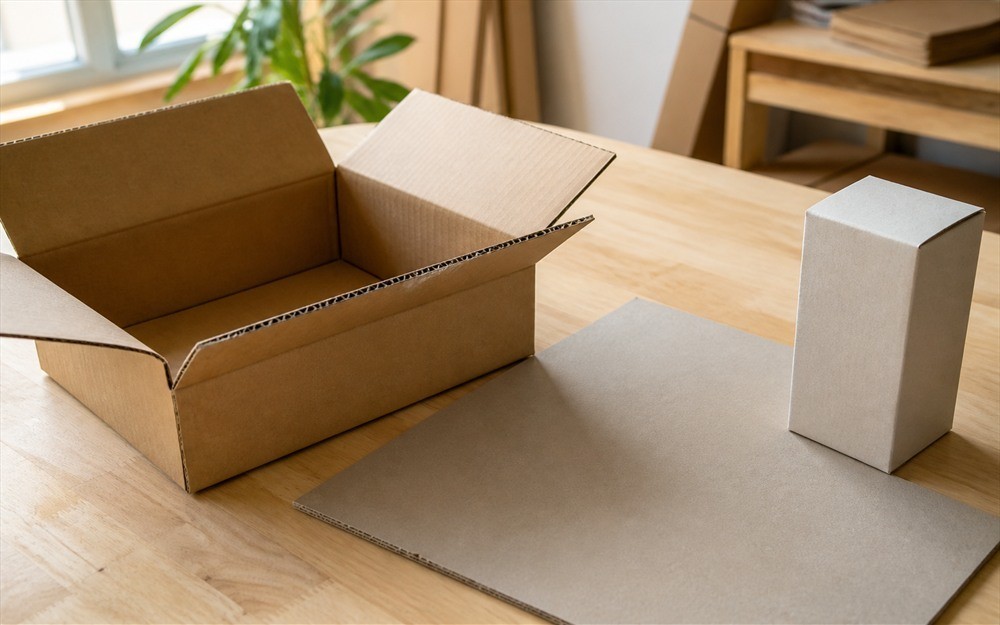
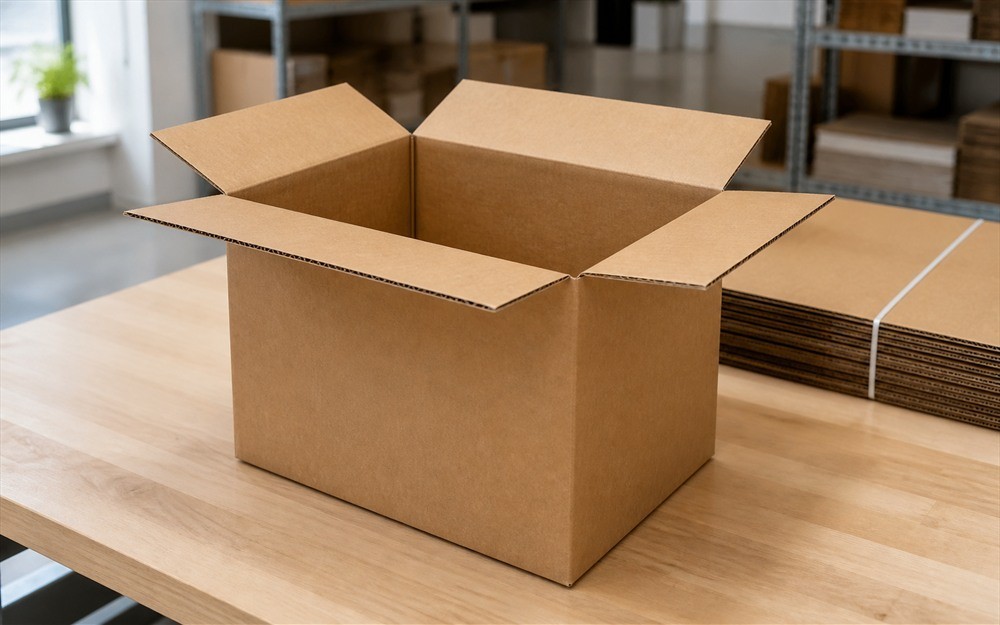
An RSC box, short for Regular Slotted Container, is the standard carton box design used for most shipping in Malaysia and worldwide. Its equal-depth flaps meet neatly in the centre, and the box ships flat until it is folded and sealed.
An RSC box, short for Regular Slotted Container, is the standard carton box design used for most shipping in Malaysia and worldwide. All four top flaps and all four bottom flaps are the same depth, the two outer flaps meet in the middle, and the box ships flat until you fold it into shape. If you've ever taped up a brown box, it was almost certainly an RSC.
What does "Regular Slotted Container" actually mean?
The name describes how the box is cut. A single sheet of corrugated board is slotted, meaning cut with straight slits, to create four connected walls plus flaps on the top and bottom. Fold the walls around, glue one seam, and you have a tube that folds flat.
"Regular" refers to the flap style. The outer flaps are half the box's width, so they meet exactly in the centre when closed. No overlap, no gap. One strip of tape along the centre seam seals it.
That's the whole trick, and it's a good one. One piece of board, minimal cutting waste, quick to assemble. It's the reason the RSC box became the default carton box design across the shipping world.
Why is the RSC box so popular?
Cost and speed, mostly. Because the design wastes very little board, an RSC box gives you the most protection per ringgit of any standard carton. Factories produce them fast, which keeps prices friendly for everyone from home sellers to warehouses.
They're also quick on the packing bench. A practised packer folds and tapes an RSC in seconds. Multiply that across a Shopee seller's daily orders and the time saved is real.
And they stack. Flat tops, flat bottoms, square corners. Vans, shelves and pallets all love uniform RSC cartons. Our stock ranges of small, medium and large carton boxes are RSC designs for exactly these reasons.
How do you assemble an RSC box properly?
Fold the box square and start with the bottom. Close the two inner flaps first, then the two outer flaps so they meet in the middle. Tape along that centre seam, then add a strip across each end so the tape forms an H. The H-pattern stops the flaps peeling open under weight.
Flip it, pack it, and close the top the same way. Inner flaps, outer flaps, H-pattern tape.
Two habits make a big difference. Don't interlock the flaps in a spiral, that criss-cross fold people use to skip taping. It halves the box's stacking strength and pops open under load. And don't overfill. Bulging sides turn a strong square structure into a weak round one.
When is an RSC box the right choice?
For most products, most of the time. E-commerce parcels, storage cartons, moving house, sending stock to a fulfilment centre. If the product is reasonably regular in shape and doesn't need a display-style opening, the RSC is the sensible default.
Weight and fragility decide the grade, not the design. A light t-shirt order rides happily in a thinner B flute RSC, while heavier or fragile items deserve a thicker A flute version. We compare the two in our A flute vs B flute article, and a typical example is our medium A flute RSC box.
Size matters too. An RSC works best when the product fills it with a small cushioning gap all round. Our size guide maps common products to sensible box sizes.
When should you look beyond the RSC?
A few situations call for other designs. Flat wide products, like a pizza or a framed picture, want a one-piece folding box with a hinged lid instead of centre-meeting flaps. Retail products that need a premium opening experience suit rigid or die-cut boxes. Very heavy industrial loads sometimes need designs with overlapping flaps for extra bottom strength.
There are also fit problems an RSC can't solve. If your product is an odd shape, forcing it into a standard rectangle wastes space and filler. That's when a custom box design built around your product's exact dimensions beats any stock carton, and printing can be added through our custom box printing service.
The honest rule: start with the RSC, and only leave it when the product gives you a reason to.
How should you store RSC boxes before use?
The flat-pack format is the RSC's superpower, so protect it. Store bundles flat and horizontal, off the concrete floor, in a dry corner away from direct sunlight. Malaysian humidity gradually softens corrugated board, and moisture absorbed during months of careless storage quietly steals the stacking strength you originally paid for.
Keep bundles in their original strapping until you actually need them, and practise first in, first out so older stock gets used before newer deliveries. A box assembled from crisp, recently delivered board folds squarely and holds its rated strength, while a box folded from tired, damp board fights you at the seams and bulges under load.
Buy quantities you'll use within a reasonable period rather than stockpiling a year of supply. With ready stock available for quick top-ups, hoarding gains you nothing except storage problems.
Frequently Asked Questions
What does RSC stand for in packaging?
RSC stands for Regular Slotted Container, the standard carton design where all flaps are the same depth and the outer flaps meet at the centre. It's the most common shipping box in the world.
Are RSC boxes strong enough for courier shipping?
Yes, an RSC in the right board grade handles normal courier journeys well. Choose the flute and size to match your product's weight and fragility, and always tape with an H-pattern.
Do RSC boxes come in different strengths?
They do. The same RSC design is made in different flutes and wall counts, from light single-wall B flute up to heavy-duty double-wall board, so strength depends on the grade you order.
Why do RSC boxes ship flat?
Flat-packed boxes save huge amounts of storage and transport space, which keeps prices down. Each box folds square in seconds when you're ready to pack.
Last updated: August 2026 by the CartonBox.my team.